Water bed or air bed: which is right for an elderly patient?
Families in Kerala ask us this almost daily. Both work. The right answer depends on the patient's weight, how much they move, and who will look after the equipment.
Guides from the counter · Kottayam
Straight answers on what to buy and what to check, written by Saji V Mathew — Managing Director of Cosmic Surgicals, supplying hospitals, clinics and families across central Kerala since 1990.
Every surgical shop will tell you it is the best one. Here are the nine things that actually separate a trusted medical supplier from a shop that is simply nearest to you.
Caring for an ageing parent at home, and equipping the institutions that care for many — beds, safety, transfers, dementia and stroke.
Families in Kerala ask us this almost daily. Both work. The right answer depends on the patient's weight, how much they move, and who will look after the equipment.

Most families set up the room in a hurry on discharge day and spend the next six months working around the mistakes. Here is the order to do it in.
A hip fracture at eighty changes everything for a family. Almost every fall we hear about happened on a route that a few hundred rupees of equipment would have made safe.
The bathroom is where most elderly falls happen — wet floor, nothing to hold, a low seat to rise from. Four items fix most of it.
The caregiver is the most important piece of equipment in the room, and the one most often damaged. Transfer aids exist to protect them.

Trustees setting up an old age home usually budget for beds and forget the mattresses, the bathroom and the monthly consumables — the three things that decide whether residents are safe.
Dementia changes what 'safe' means. Equipment that helps most elderly patients — bed rails, a bathroom lock — can harm a confused one. Here is what changes.
After a stroke, the home needs to work for a person with one weak side. The right equipment supports rehabilitation; the wrong equipment quietly teaches them to stop trying.
Equipment for looking after someone at home — beds, mobility, respiratory, continence and monitoring.
A hospital bed is usually the single biggest home-care purchase a family makes. Getting the function count, the mattress and the room access right matters more than the brand.
A pressure sore can develop in hours and take months to heal. For a bedridden patient, the mattress is not a comfort item — it is clinical equipment.
Setting up a room for home care is easier when you know what to buy first, what to buy later, and what most families buy and never use.

Most wheelchairs bought for home care are the wrong width. Seat sizing, wheel type and whether it fits through your bathroom door matter far more than the brand name.
A walker set two inches too high causes the falls it was bought to prevent. Height matters more than type — here is how to get both right.
Toileting is the single hardest daily problem in home care, and the one families are most reluctant to ask about. A commode chair solves most of it.
Almost every leak we hear about is a sizing problem, not an absorbency problem. Buying a higher absorbency in the wrong size makes it worse, not better.

An oxygen concentrator is prescribed equipment, not a general-purpose appliance. The flow rate must match the prescription — here is how to read the specification sheet.
Nebulisers are inexpensive, which is why they are bought casually. The two things that actually matter are particle size and whether the household will clean it properly.
The most common cause of wrong readings at home is not a faulty machine. It is the wrong cuff size and the wrong arm position.

Both devices are cheap and both are routinely misread. Cold hands alone can drop an oximeter reading enough to cause real alarm.
Specifying and fitting out clinical spaces — instruments, sterilisation, monitoring and furniture.

Setting up a clinic is mostly a sequencing problem. Buy in the wrong order and capital sits idle in a store room while the consulting room is short of essentials.
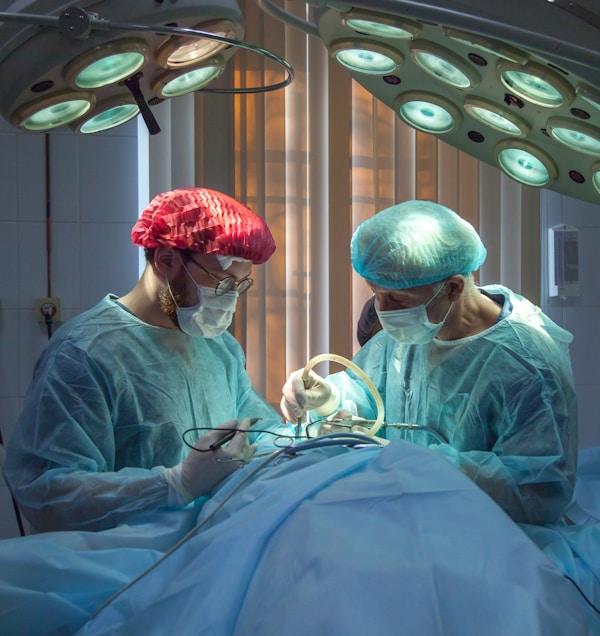
Two forceps can look identical and differ by fifteen years of service life. The differences are visible if you know where to look.

An undersized autoclave becomes the bottleneck of an entire clinic. Size it to your busiest day, not your average one.

Buy the parameters your staff will actually act on. A monitor displaying data nobody responds to trains people to ignore alarms.
The examination table is used every working day for a decade or more. It is the wrong place to save four thousand rupees.
How to compare suppliers and quotations, and how to keep what you buy working.
“Is it imported?” is the most common question at our counter. It is also the wrong first question. Here is what to ask instead.
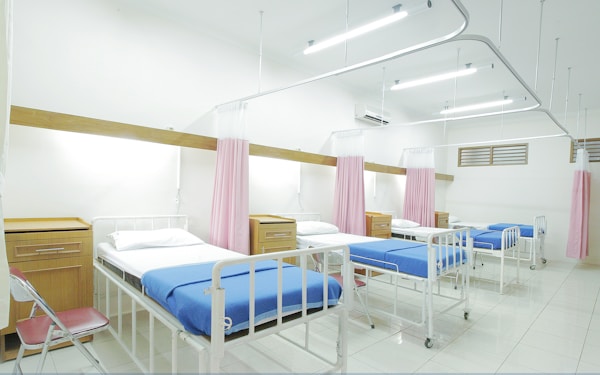
Institutional buyers get better prices not by negotiating harder, but by writing better enquiries. Here is what a supplier needs in order to quote you their real number.
Most equipment we are asked to repair did not fail. It was allowed to fail — by a filter nobody cleaned or a seal nobody checked.
Kottayam · Pathanamthitta · Idukki · Alappuzha · Ernakulam — imported and Indian brands, 100% genuine products, since 1990