Elderly care · Stroke recovery
Home care equipment after a stroke
After a stroke, the home needs to work for a person with one weak side. The right equipment supports rehabilitation; the wrong equipment quietly teaches them to stop trying.
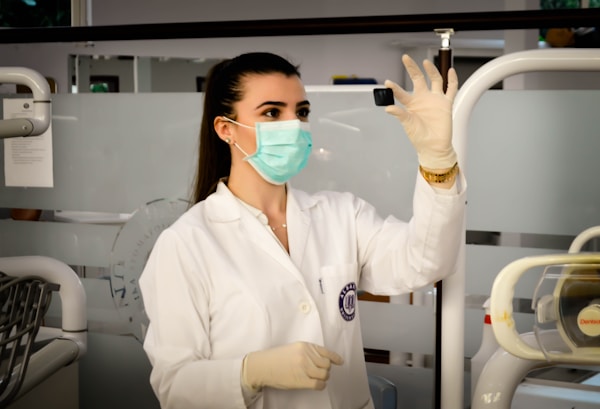
A stroke leaves many elderly patients with weakness on one side of the body, difficulty with balance, and sometimes problems with speech, swallowing or vision. Recovery is possible — much of it happens at home in the first months — and the equipment in the house either supports that or gets in its way.
The principle: support recovery, do not replace it
The physiotherapist’s aim is for the patient to use the weak side, practise standing, and regain independence. Equipment that does everything for the patient can quietly teach them to stop trying. Equipment that makes safe practice possible does the opposite. Ask the therapist what the patient should be doing themselves, and buy for that.
Bed and positioning — the first weeks
- Adjustable hospital bed with height adjustment, for positioning and safe transfers
- Pressure-relieving mattress if the patient is in bed most of the day — a weak side that does not move is at high risk of pressure sores
- Positioning pillows and wedges to support the weak arm and leg as the therapist shows
- Assist handle on the strong side for sitting up
- Slide sheet for repositioning without dragging the weak shoulder — a common and painful injury
Position the bed so the patient gets out towards their stronger side, unless the therapist advises otherwise for rehabilitation reasons.
Transfers
- Transfer belt — the caregiver holds the belt, never the weak arm
- Transfer board for patients with good strength in the sound arm
- Standing hoist for patients who can bear some weight but not stand safely — it also provides standing practice
- Full hoist in the early stage for a fully dependent patient
See our transfer aids guide. Never pull a stroke patient up by the affected arm; shoulder subluxation is a common consequence.
Wheelchair for one-sided weakness
A standard self-propelled chair is awkward — pushing one wheel turns the chair. Depending on the stage of recovery:
- Attendant-propelled transport chair in the early weeks
- Chair with a lower seat the patient can propel with the strong hand and foot together
- One-arm-drive wheelchair for longer-term independence
- Arm trough or lap tray to support the weak arm and prevent it hanging
- Pressure cushion for anyone seated for hours
Our wheelchair guide covers sizing; the physiotherapist should advise on the drive type.
Walking again
- Quad stick (four-footed) — stable, used on the strong side
- Hemi-walker — a one-handed frame between a stick and a walker
- Standard walker only if both hands can grip; many stroke patients cannot
- Ankle-foot orthosis and suitable footwear where prescribed
- Grab rails along the practised routes at home
Height and fitting matter — see our walking aid guide.
Bathroom
Everything in our bathroom safety guide, with grab bars positioned for the strong side, a shower chair with a back, and a raised toilet seat with arms. A shower commode chair removes the hardest transfer entirely in the early phase.
Rehabilitation equipment at home
As specified by the therapist — commonly:
- Pedal exerciser for the legs, usable seated
- Hand exerciser, therapy putty, finger stretchers
- Resistance bands
- A firm chair with arms at the right height for sit-to-stand practice
- Mirror for mirror therapy where advised
- Non-slip mat for standing practice
Eating, speech and daily living
- Non-slip plates and bowls; built-up cutlery for a weak grip
- Cups with two handles or a spout where swallowing is affected — follow the speech therapist’s advice on thickened fluids
- Dressing aids, button hooks, long-handled sponges
- Large-display BP monitor — blood pressure control is central after a stroke
Plan for change
Stroke recovery is not static. The hospital bed and hoist of month one may give way to an assist handle and a quad stick by month four. Buy the early-phase equipment properly, then reassess with the therapist rather than assuming the setup is permanent.
Supplied across central Kerala
Cosmic Surgicals supplies adjustable beds, pressure mattresses, transfer aids and hoists, wheelchairs including one-arm-drive, quad sticks and hemi-walkers, bathroom safety fittings, rehabilitation equipment and daily-living aids. Free delivery, installation and caregiver training across Kottayam, Pathanamthitta, Idukki, Alappuzha and Ernakulam.
Frequently asked questions
Post-stroke equipment — FAQs
A standard self-propelled chair is often difficult, because pushing one wheel turns the chair in circles. Options are a chair the patient propels with the good hand and foot, an attendant-propelled transport chair, or a one-arm-drive chair. Discuss with the physiotherapist — the answer depends on the stage of recovery.
Generally the patient transfers towards their stronger side, so position the bed and the commode or wheelchair accordingly. Rehabilitation therapists sometimes deliberately approach from the weak side to encourage use of it — follow their advice for the individual patient.
Beyond safety items: a pedal exerciser, hand and finger exercisers, resistance bands, a mirror for mirror therapy where advised, a walking aid fitted for the good side, and a chair at the right height for sit-to-stand practice. The physiotherapist will specify what applies.
In the early weeks after a significant stroke, usually yes — for positioning, pressure care and safe transfers. As mobility returns, many patients move to a standard bed at a safe height with an assist handle. Plan for the first phase and reassess.
Bringing a stroke patient home?
Talk to a trusted supplier in Kottayam — imported and Indian brands, 100% genuine products.